
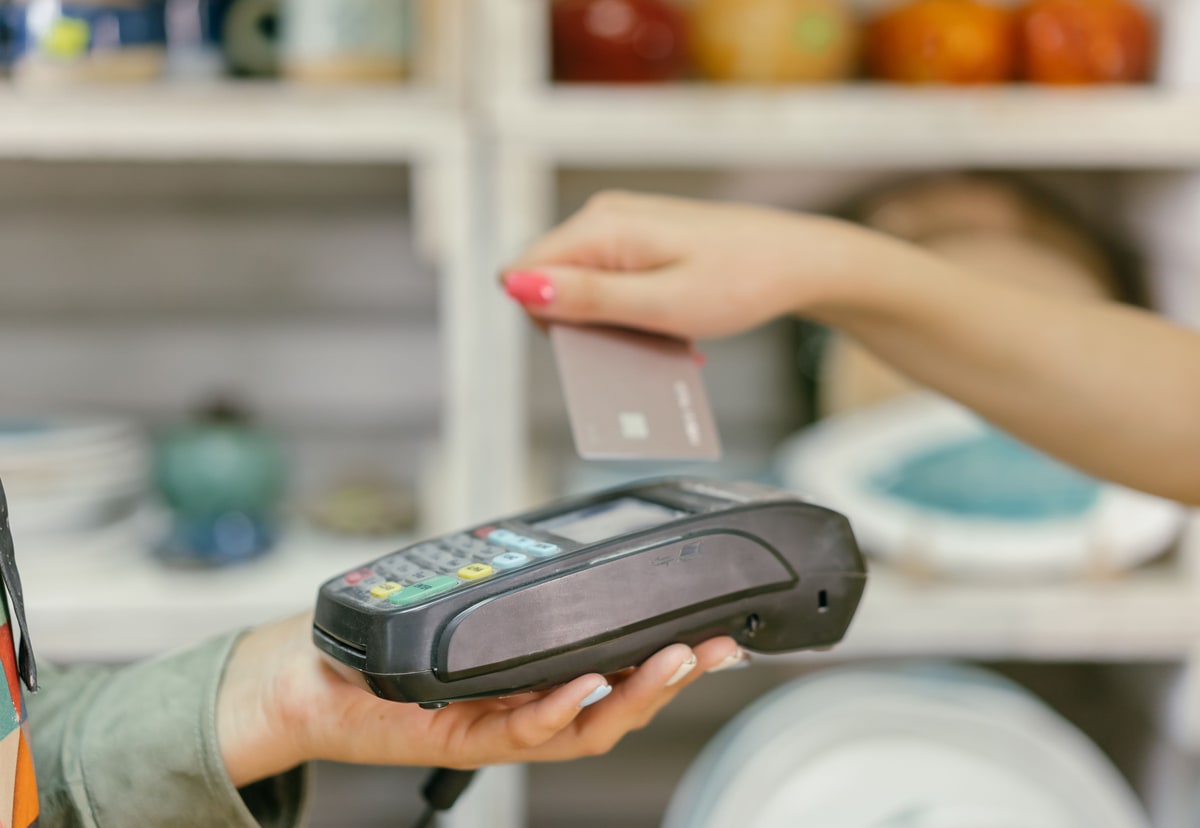
Taking a card payment is only the visible part of merchant services. The real operation includes authorisation, settlement, payouts, reconciliation, refunds, disputes, security and the connections that keep every system working from the same truth.
01
The payment succeeded, but the admin had only started
Imagine a growing service business that begins by taking deposits through a simple online payment link. The setup works. Customers can pay, the team receives an email and somebody marks the job as paid in the CRM.
The business then adds a proper checkout, recurring plans, several locations and telephone payments. Finance needs each payout matched to the correct invoices. Customer service needs to see refunds and disputes. Operations should not begin expensive work while a payment is still processing. The original email and manual update no longer hold everything together.
This is the point where merchant services stop looking like a card machine and start looking like part of the business software operation. Accepting money is one job. Knowing what the money relates to, whether it has settled, what fees were deducted and who owns the exceptions is another.
A provider can make the checkout beautifully simple while the business behind it remains tangled. The useful decision is therefore not only which company can accept a card. It is which payment arrangement fits the sales channels, systems, controls and support the business actually needs.
02
What are merchant services?
Merchant services is an umbrella term for the tools and services that let a business accept and manage electronic payments. It can include online payment gateways, card processing, merchant accounts, card terminals, point of sale software, fraud controls, reporting, payouts and support for refunds or disputes.
The exact bundle varies. One provider may offer a terminal and acquiring relationship. Another may provide a hosted checkout, application programming interface, fraud tools and an aggregated account under one commercial agreement. An ecommerce platform may include payments as part of a wider shop system.
The FCA describes payment services as including the execution of card payments, acquiring payment transactions, payment initiation and other activities. Firms that provide regulated payment services in the UK generally need the appropriate authorisation or registration unless another status or exemption applies.
That regulation concerns the provider and the payment service. A merchant still needs to understand its own commercial agreement, information handling, security responsibilities, customer journey and internal controls. Buying a regulated service does not make every surrounding business process correct automatically.
03
The payment journey in plain English
A card payment crosses several organisations in a few seconds. The customer presents card details through a checkout or terminal. A gateway or payment interface captures the request securely. A processor passes the transaction through the relevant network towards the bank that issued the customer's card.
The issuing bank checks the account, available funds and risk signals, then approves or declines the authorisation. An approval means the amount can be reserved or authorised. It is not always the same as the money already sitting in the merchant's normal bank account.
| Stage | What it does | What the business must know |
|---|---|---|
| Checkout or terminal | Collects the amount and payment choice | Which order, invoice or customer does this payment belong to? |
| Gateway and processing | Passes payment information and requests authorisation | Did the request reach the provider safely and only once? |
| Authorisation | The issuer approves or declines the payment request | Is the amount authorised, still processing or failed? |
| Capture | Confirms that an authorised payment should be collected | When should the business commit to fulfilling the work? |
| Settlement and payout | Moves the net funds to the merchant | Which transactions and fees make up this bank deposit? |
| Refunds and disputes | Reverses money or challenges a transaction | Who responds, updates the customer and adjusts the records? |
| Reconciliation | Matches provider activity with orders and accounts | Can finance explain every difference without manual guesswork? |
The business may capture the payment immediately or later, depending on the sales model. Clearing and settlement then move the funds through the participants. The merchant service provider pays the resulting balance to the business according to its payout schedule, normally after fees, refunds, reserves or other adjustments have been applied.
Payment methods do not all behave in the same way. Stripe documents that some methods return a success or failure immediately while others remain in a processing state until a later notification. A well designed system does not treat every button click as settled money. It records the provider's payment state and changes the order or job only when the right event arrives.
04
Merchant services and a merchant account are not the same thing
A merchant account is an account used within the payment flow to receive funds from card transactions before they are settled to the business. It is separate from the ordinary current account where the final payout arrives.
Merchant services describes the wider arrangement around that account and the payment itself. This may include the gateway, processing, acquiring, terminal, fraud tools, reporting and operational support.
Traditional arrangements can involve a dedicated merchant account, an acquiring bank and separate gateway or terminal suppliers. Modern payment service providers often combine much of this under one platform and commercial relationship. The provider may aggregate many businesses rather than giving each one a visibly separate merchant account.
Neither model is automatically better. An all in one provider can make setup and integration faster. A more direct acquiring arrangement may suit higher volumes, specialist payment flows or businesses negotiating detailed commercial terms. The important thing is to understand who holds each responsibility, how money reaches the bank and what happens if the relationship changes.
05
The headline transaction fee is not the whole cost
Merchant service pricing can include a percentage of the transaction, a fixed amount per payment, monthly platform charges, gateway fees, terminal rental, setup costs and minimum commitments. International cards, currency conversion, refunds and disputes may carry different charges.
Payout timing also has a commercial value. A slightly cheaper rate may be a poor trade if funds arrive slowly, reserves are difficult to predict or finance spends hours reconciling vague deposits. The cheapest provider on a pricing page may not produce the lowest operating cost.
Compare realistic baskets rather than one sample transaction. Include the mix of consumer and commercial cards, average order value, monthly volume, online and in person channels, countries, currencies, refund rate and expected support. Ask how pricing changes when the business grows or its risk profile changes.
Read the agreement for notice periods, hardware ownership, early termination, chargeback administration, rolling reserves and access to transaction data after closure. Switching is more difficult when saved payment methods, subscriptions, terminals and finance processes have become dependent on one provider.
06
Choose around the way customers actually pay
A retail counter, field engineer, online shop and recurring service do not have the same requirements. In person payments need reliable terminals, connectivity, receipts and a sensible offline plan. Online payments need a secure checkout, mobile usability and accurate order status. Telephone payments need a controlled process that does not encourage staff to write card details into notes.
Recurring billing adds another lifecycle. Cards expire, payments fail and customers change plans. The system needs clear retry rules, customer communication and a controlled route for updating the saved payment method. A subscription is not simply the same card transaction repeated by a calendar.
Businesses selling internationally should look at local payment preferences, settlement currencies, foreign exchange, tax responsibilities and customer authentication. More payment methods can improve access, but each one adds different timing, refund and operational behaviour.
Start with the present sales journey and the next credible stage of growth. Buying every possible feature creates noise. Choosing a provider that cannot support the next channel creates an expensive migration.
07
Security responsibility cannot be outsourced completely
The PCI Security Standards Council says PCI DSS applies to entities that store, process or transmit cardholder data, as well as entities that could affect its security. The practical scope depends on the payment arrangement and implementation.
Using a reputable hosted checkout or provider controlled payment component can keep raw card details away from the business application and reduce the amount of sensitive infrastructure the merchant must manage. It does not remove the need to protect administrator accounts, website code, integrations, terminals, support access and the surrounding order data.
Do not store card numbers in the CRM, email, spreadsheets, support tickets or application logs. Use provider tokens or references where a system needs to link a customer to a saved payment method. Restrict access to refunds and payment administration, require strong authentication and keep an audit trail of significant actions.
UK payment rules also include strong customer authentication requirements in relevant circumstances. The provider and checkout may handle much of the technical process, but the merchant should understand when customers may be challenged and how failed or abandoned authentication appears in the wider workflow.
Payment security is a continuing operating practice, not a badge earned during setup. Supplier reviews, software updates, staff training, access reviews and incident plans all matter once real money and customer data are moving through the system.
08
Refunds and disputes need named owners
A payment system is usually designed around the happy path. Operational cost appears in the exceptions. A customer may be charged twice, receive only part of an order, request a partial refund or dispute a transaction through their bank.
A refund should connect back to the original payment and business reason. The customer record, order, stock, service status and accounting entry may all need to change. Giving several people unrestricted refund access without clear policy is risky. Making one person use a provider dashboard in isolation creates delay and weak visibility.
A chargeback or dispute is different from an ordinary refund. The customer challenges the payment through their issuer, and the merchant may need to provide evidence within a deadline. The business should know where notices arrive, who gathers the evidence, who decides whether to contest the case and how the outcome reaches finance and customer service.
Treat these events as workflows. Record the reason, evidence, owner, deadline, amount and final outcome. This turns a financial exception into work the team can see and manage.
09
The payment integration should connect the whole operation
A reliable integration stores the provider's payment identifier alongside the business's own order, invoice or customer reference. That link is what lets support and finance move between systems without guessing.
The application should listen for provider events such as successful payment, failure, refund, dispute and payout changes. Stripe recommends webhooks for payment methods whose result may be delayed. The same event driven principle applies across providers: the system should respond to authoritative status changes rather than relying on a customer returning to a success page.
Webhook handling must be safe to repeat. Networks retry, responses time out and the same event can arrive more than once. Processing should be idempotent, which means repeating the same notification does not create another order, refund or customer update.
Reconciliation deserves design work of its own. A payout may combine many transactions and subtract fees, refunds or disputes. Finance needs a repeatable way to match the payout to the underlying activity and accounting records. Exporting a CSV and rebuilding the story by hand every week is a warning that the integration stops too early.
Monitoring should cover business outcomes as well as technical uptime. A checkout can load while every payment fails. An integration can return a successful response while events remain unprocessed. Useful alerts identify stalled payments, unusual failure rates, webhook backlogs, unmatched payouts and approaching dispute deadlines.
10
How to choose a merchant service provider
Begin with a map of the sale, not a list of provider logos. Record where the customer pays, when fulfilment should begin, which systems need the result, how refunds work and how finance confirms the payout.
Then test provider options against that operation. Ask about supported payment methods and currencies, settlement schedule, fees, contract terms, security model, service availability, support hours, reporting, data export and integration documentation. Confirm whether the provider, an acquiring partner or another supplier owns each part of the relationship.
Use a test environment to run the awkward cases. Try a decline, abandoned authentication, delayed payment, partial refund, duplicate notification and dispute. Check that staff can understand the resulting status without opening several dashboards.
A simple hosted solution is often enough for a business taking straightforward payments at modest volume. Custom integration becomes valuable when payments drive bookings, projects, subscriptions, stock, commission, customer access or detailed finance controls. The aim is not to make payment processing clever. It is to make the full operation dependable.
DanJMills helps businesses connect payment providers to the software and workflows around them. If checkout works but orders, refunds, subscriptions or reconciliation still depend on manual updates, an API integration review can define the data, events, controls and ownership needed to make the process work as one system.
Useful questions
Before choosing merchant services, confirm:
- Which online, in person, telephone and recurring payment journeys must be supported?
- Which provider, acquirer, gateway and bank relationships are included?
- What transaction, monthly, hardware, currency, refund and dispute fees apply?
- When are funds paid out, and can finance reconcile each payout automatically?
- How are processing, failed, refunded and disputed payments represented in your systems?
- Will raw card details stay outside your application, CRM, email and logs?
- Which staff can issue refunds, change payment settings or view sensitive records?
- How does the integration receive, verify and safely repeat provider events?
- Can you export customers, transactions and references if the provider changes?
- What support and recovery route exists when customers cannot pay?