
Design the screens
Shape the layout, language, information and different states people will use.
Software discovery and prototypes in Bradford
Turn an unclear idea into agreed workflows, realistic screens and a demonstration that helps decision-makers test the direction.
Direct answer
I can run software discovery and prototype reviews remotely for a Bradford business, with a planned on-site workshop where bringing users and decision-makers together adds enough value. I turn an unclear software idea into agreed users, workflows, requirements, realistic screens and, where useful, a limited working demonstration.

Design before development
Figma is a collaborative design and prototyping workspace. It turns an idea into realistic screens and a clickable journey that people can review together before production development begins.
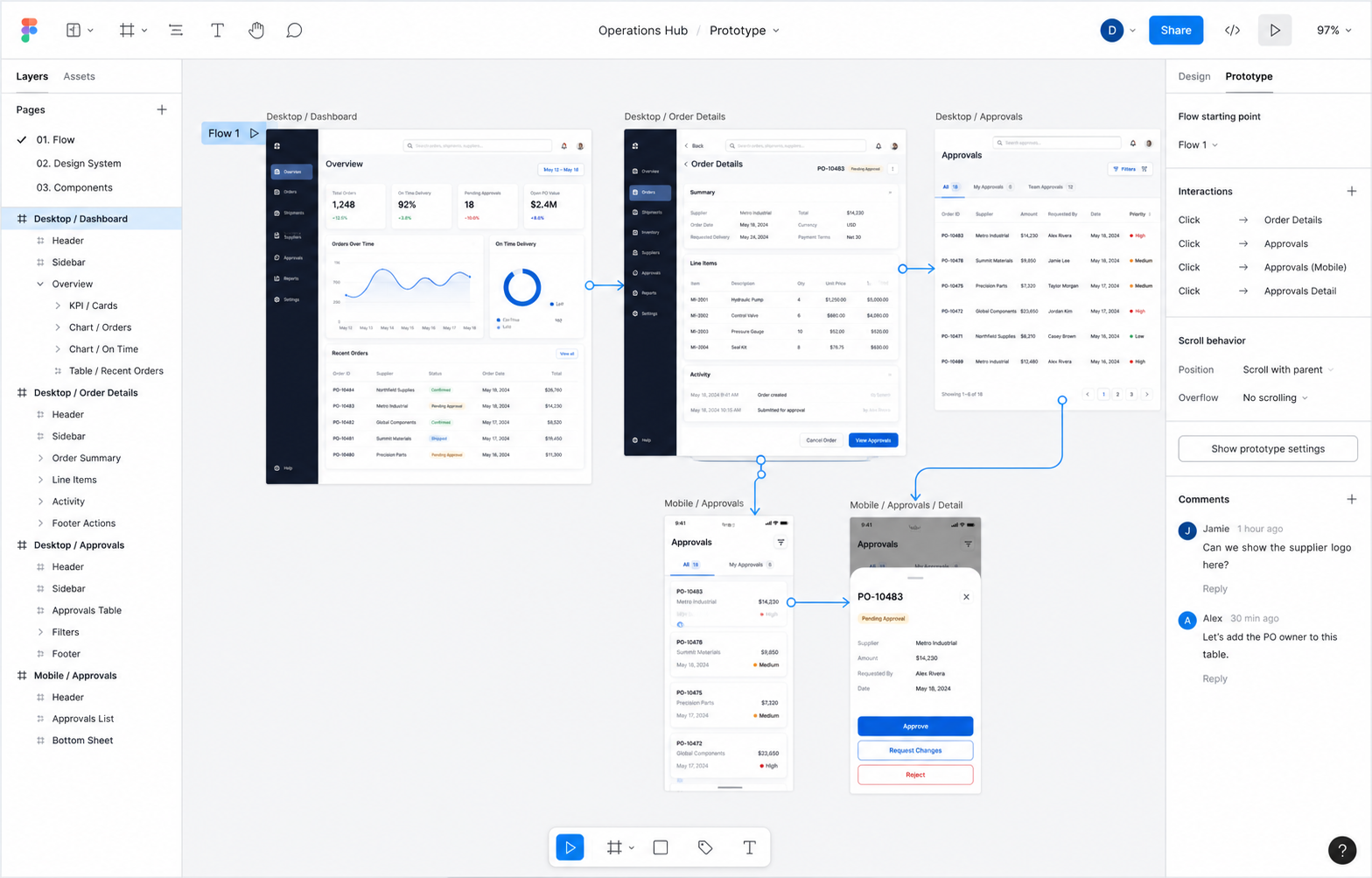
Shape the layout, language, information and different states people will use.
Link screens into a realistic flow so users can click through the proposed process.
Collect precise feedback, expose missing decisions and agree what should be built.
A prototype helps test the direction. It is not the finished production system.
Two useful starting points
Your Bradford project may first need a reliable plan, or it may need something realistic that people can see, click and challenge. Discovery can include either stage or a controlled route through both.
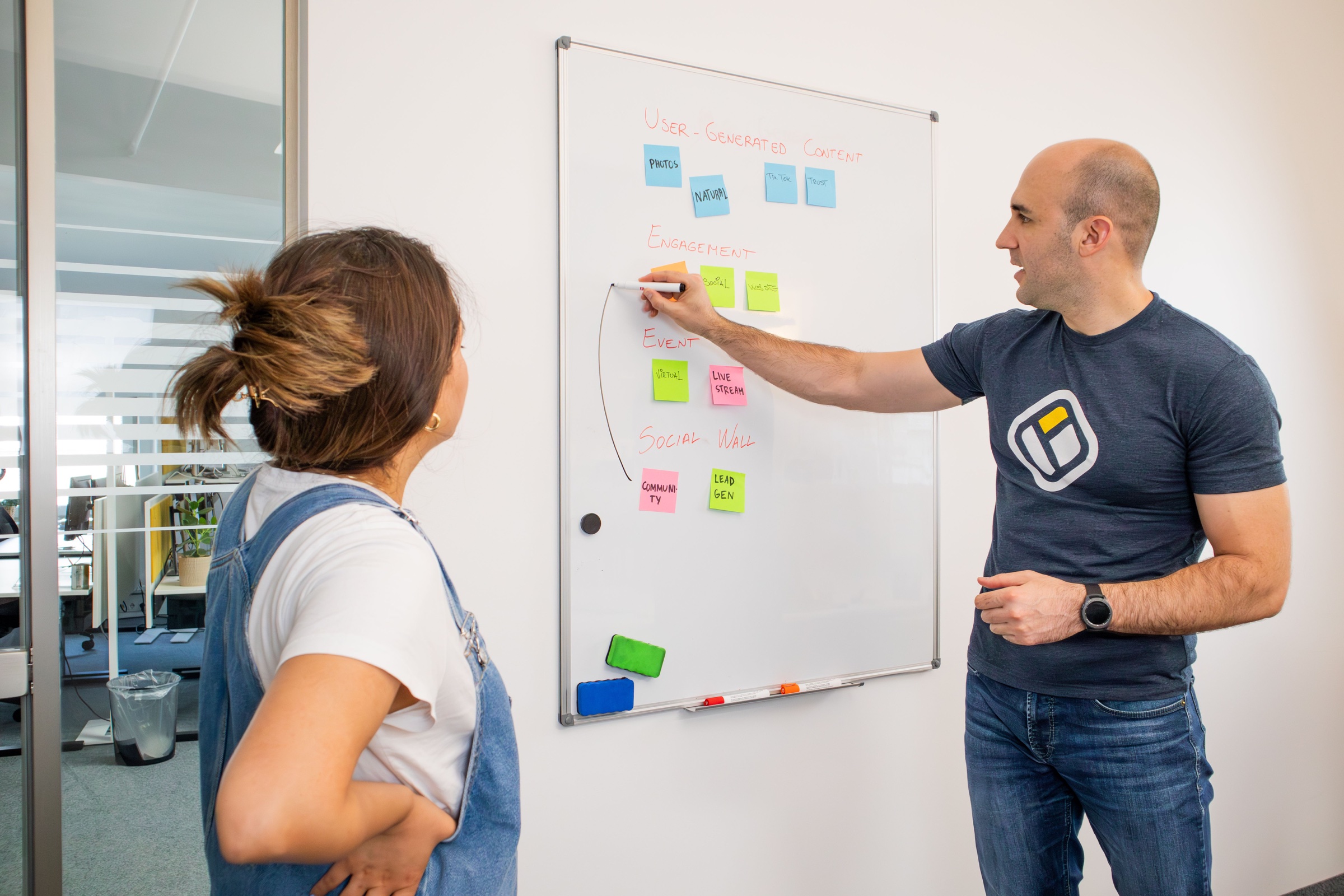
The idea is still unclear
I work through the business goal, users, workflows, information, integrations, risks and acceptance criteria so the proposed system has a clear purpose and a sensible delivery route.
People need to see it
I use Figma to organise screens, reusable components, interface states and linked journeys so decision-makers and future users can click through the idea, leave feedback and expose missing decisions before a production build is approved.
Software discovery in Bradford
The output is shaped around the decision you need to make. It can remain useful if your internal team, another supplier or I deliver the production system afterwards.
Agree what needs to improve, why it matters and what a useful result should look like.
Identify who will use the system, what each person needs to do and where access must be controlled.
Map the important journeys, hand-offs, exceptions and business rules the software needs to support.
Clarify what information is collected, where it comes from and which system should remain responsible for it.
Make existing software, suppliers, APIs and operational dependencies visible before they become delivery surprises.
Shape realistic interfaces and clickable journeys so people can respond to something more useful than a document.
Record what the first version must do, what remains uncertain and how the business will decide whether it works.
Break the work into sensible phases and give the business a clearer basis for its next delivery decision.
Design and rapid prototyping
Figma is not the finished software. It is a collaborative workspace for designing the interface, connecting screens into a realistic journey and collecting precise feedback before development. Where a more convincing demonstration will improve the decision, I can build a limited working prototype. The value is faster learning and a safer investment decision, not a cheap production app.
Screens, components, states and clickable journeys make workflows, language and missing decisions easier to review together.
The main path can be demonstrated from the point of view of the people who will actually use the system.
Modern tools can accelerate a lightly coded demonstration, leaving more of the engagement for useful learning and review.
The prototype is treated as a decision tool. Production security, scale, data and support are scoped separately.
Design and AI-assisted prototyping tools I use
A controlled discovery route
Each stage makes uncertainty visible, gives the right people something useful to review and reduces the risk of committing to the wrong system.
Start with the business goal, the people involved and the operational pressure behind the idea.
Agree the important workflows, requirements, data, integrations, risks and smallest useful scope.
Create realistic screens or a lightly coded demonstration using representative data and focused user journeys.
Review what has been learned and choose whether to build, revise the direction, investigate further or stop.
Selected software work
A selection of operational systems and software products I have helped shape and deliver around real business work.
 View project
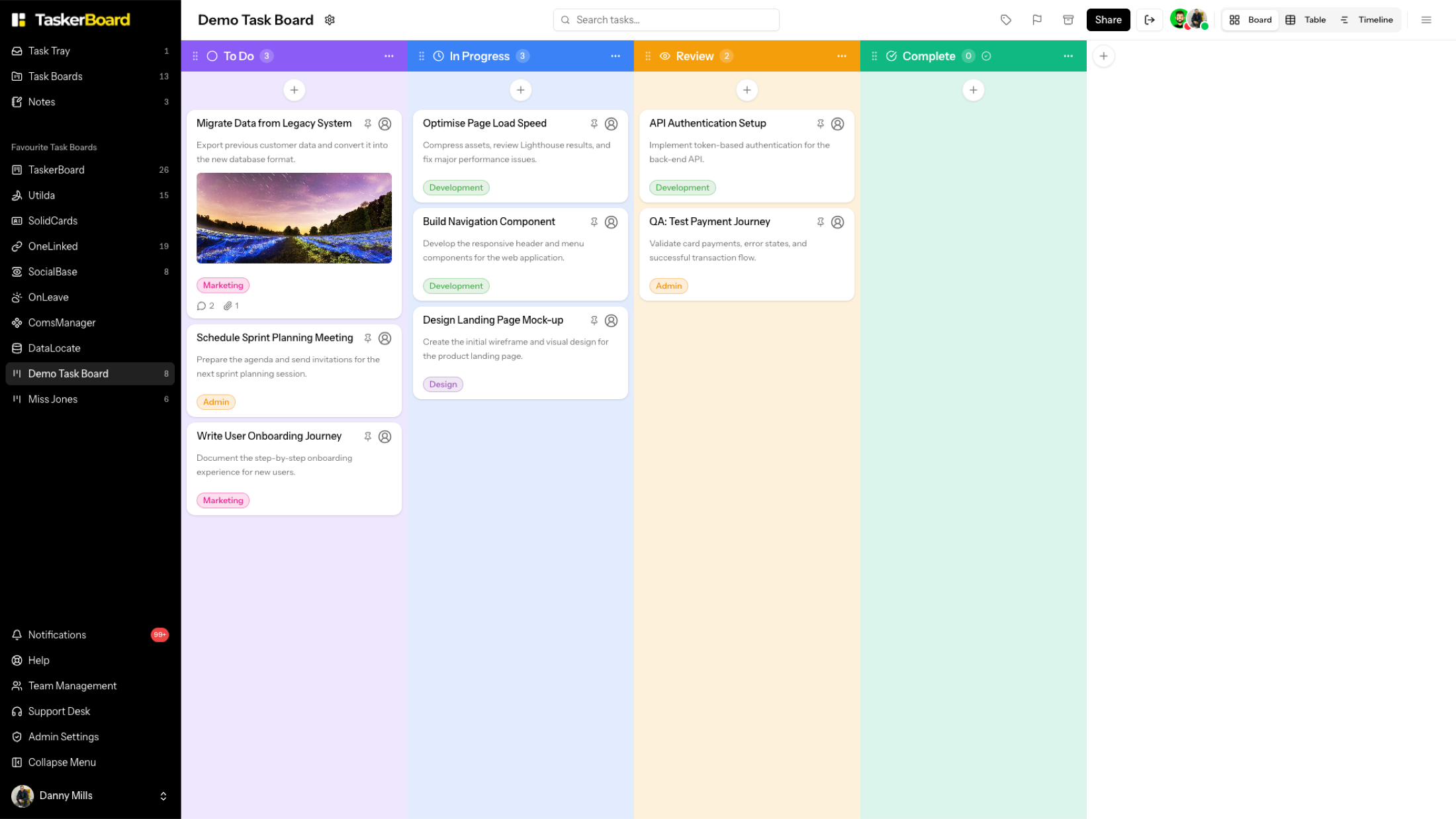
Projects, boards, task cards and shared information brought into one calmer place for delivery teams.
 View project
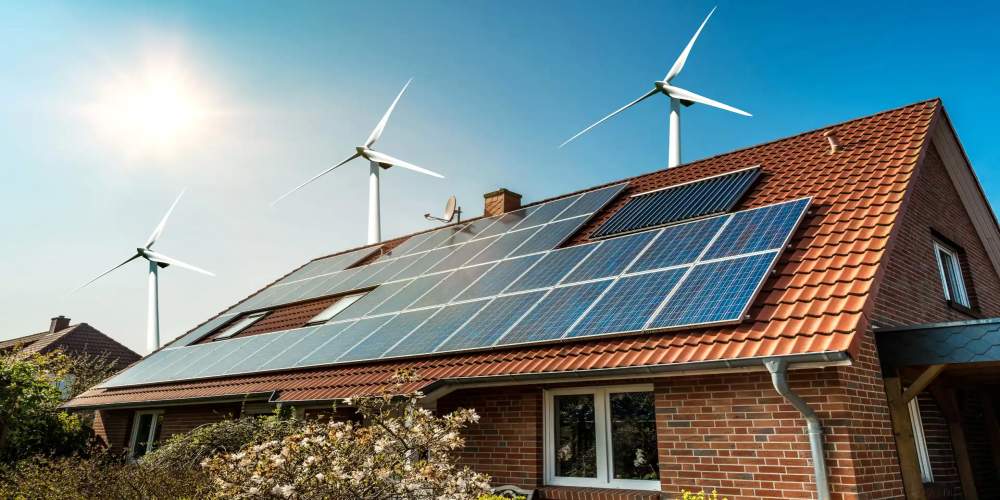
A structured portal for installer evidence, review, follow-up and certification workflows.
 View project
A focused analytics product for understanding visitors, traffic sources and important events without relying on cookies.
Work directly with me
You are not passed from a salesperson to a separate design or development team. I stay close to the people, workflows and decisions so the demonstration answers the business question it was created to test.

The sensible next step
Danny Mills is a Greater Manchester-based Business Software Consultant and Developer serving Bradford. I can run software discovery and prototype reviews remotely for a Bradford business, with a planned on-site workshop where bringing users and decision-makers together adds enough value. He defines business goals, users, workflows, information, integrations and requirements, then creates realistic Figma journeys or a limited working demonstration when seeing the idea will improve the decision.
No. I am based in Greater Manchester and do not present a virtual or registered address as a staffed Bradford office. Most requirements work, screen design and prototype reviews can happen remotely. I can meet your users and decision-makers at their workplace when a structured local workshop will improve the result.
I can work with businesses in Bradford and nearby areas including Shipley, Bingley, Keighley, Pudsey. Software discovery, Figma design and prototype reviews are also available remotely across West Yorkshire and the United Kingdom.
Software discovery turns an early idea or operational problem into a clearer delivery decision. I work through the business goal, users, workflows, information, permissions, integrations, risks and acceptance criteria so the business understands what should be built and why.
A prototype is useful when decision-makers or future users need to see how the proposed system could work before approving a larger build. It makes the main journey tangible, exposes weak assumptions and gives the business something realistic to review together.
No. A prototype is a learning and decision tool, not a live operational system. It normally uses sample, anonymised or synthetic data and does not include the hardened security, scalability, accessibility, monitoring, support arrangements or production integrations required for everyday business use.
Yes. Figma is useful for shaping screen layouts, user journeys and interactions before code is needed. Depending on the question the business needs to answer, the prototype may remain an interactive Figma design or progress into a lightly coded demonstration.
They can help me explore options and build convincing demonstrations faster, which means more of the engagement can be spent learning from the prototype. They do not remove the need for business analysis, technical judgement, review or a separate production build. I remain responsible for the work and the recommendations.
Yes. The people closest to the work should be involved at sensible review points. Their feedback helps confirm whether the workflow is understandable, whether important information is missing and which assumptions need changing before more budget is committed.
Yes. The discovery output is designed to remain useful even if another internal team or supplier delivers the production system. The agreed scope can include workflows, requirements, roles, integrations, risks, acceptance criteria and a phased delivery route.
The business can approve a production build, revise the direction, commission another round of focused learning or decide not to proceed. If I am the right fit, I can turn the approved direction into a separately scoped production build, but the prototype does not commit you to that next phase.
Normally no. I prefer representative sample, anonymised or synthetic information so the proposed workflow can be tested without creating unnecessary data-protection or operational risk. Any exception would need to be explicitly agreed and handled appropriately.