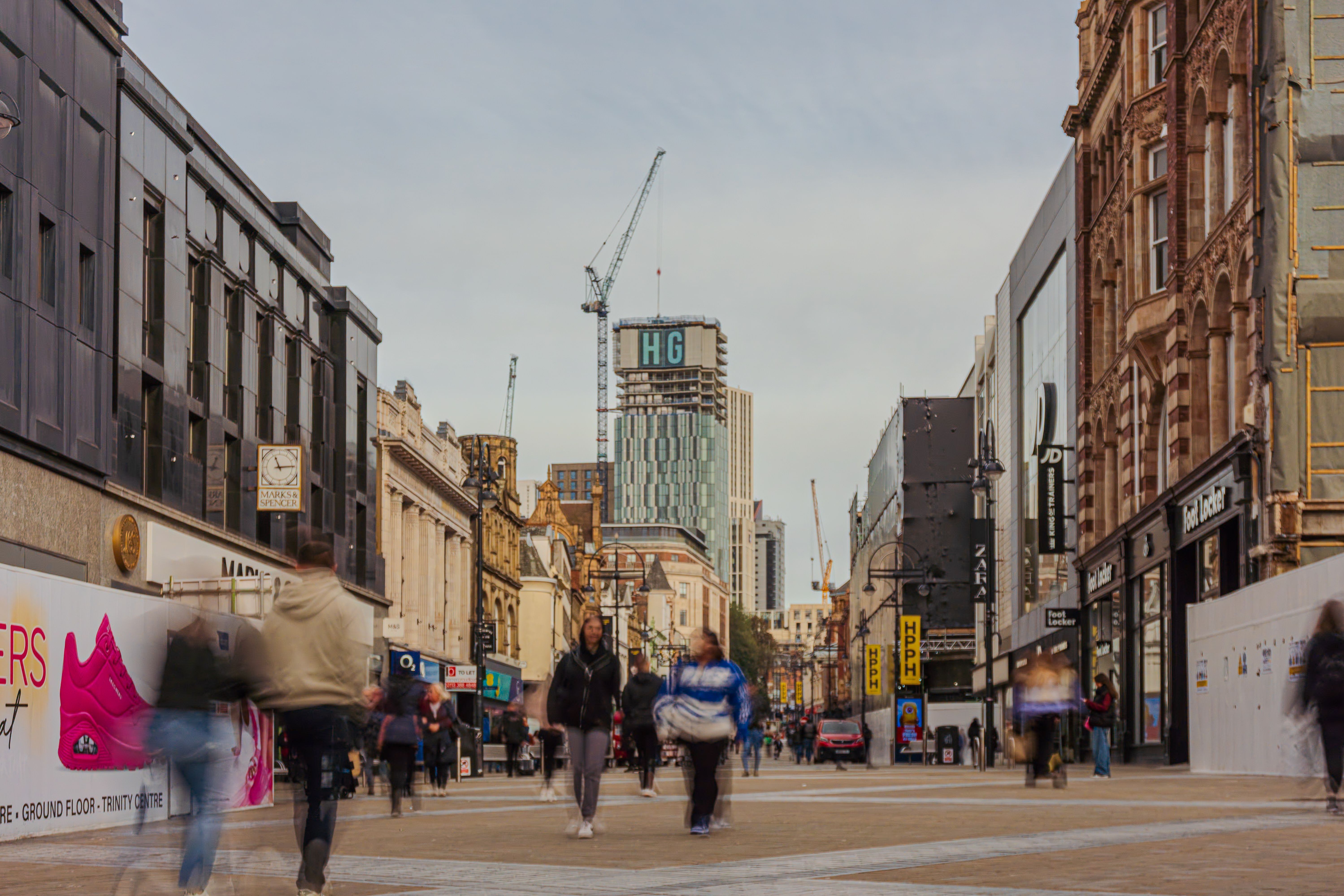
Manchester software design & development

Custom software designed before it is built.

Turn a new software idea or difficult existing application into clear journeys, tested decisions and a controlled production plan.

Discuss your software idea

Tell me what your business wants to create or improve and I will reply personally to arrange a suitable first conversation.

By submitting this form, you acknowledge that DanJMills will process your information in accordance with our Privacy Policy.

No obligation. I reply personally within one working day.

Two sensible starting points

Design something new or improve what already exists.

Software design can clarify an idea that is not yet ready to build or make an existing application easier to use, operate and develop safely.

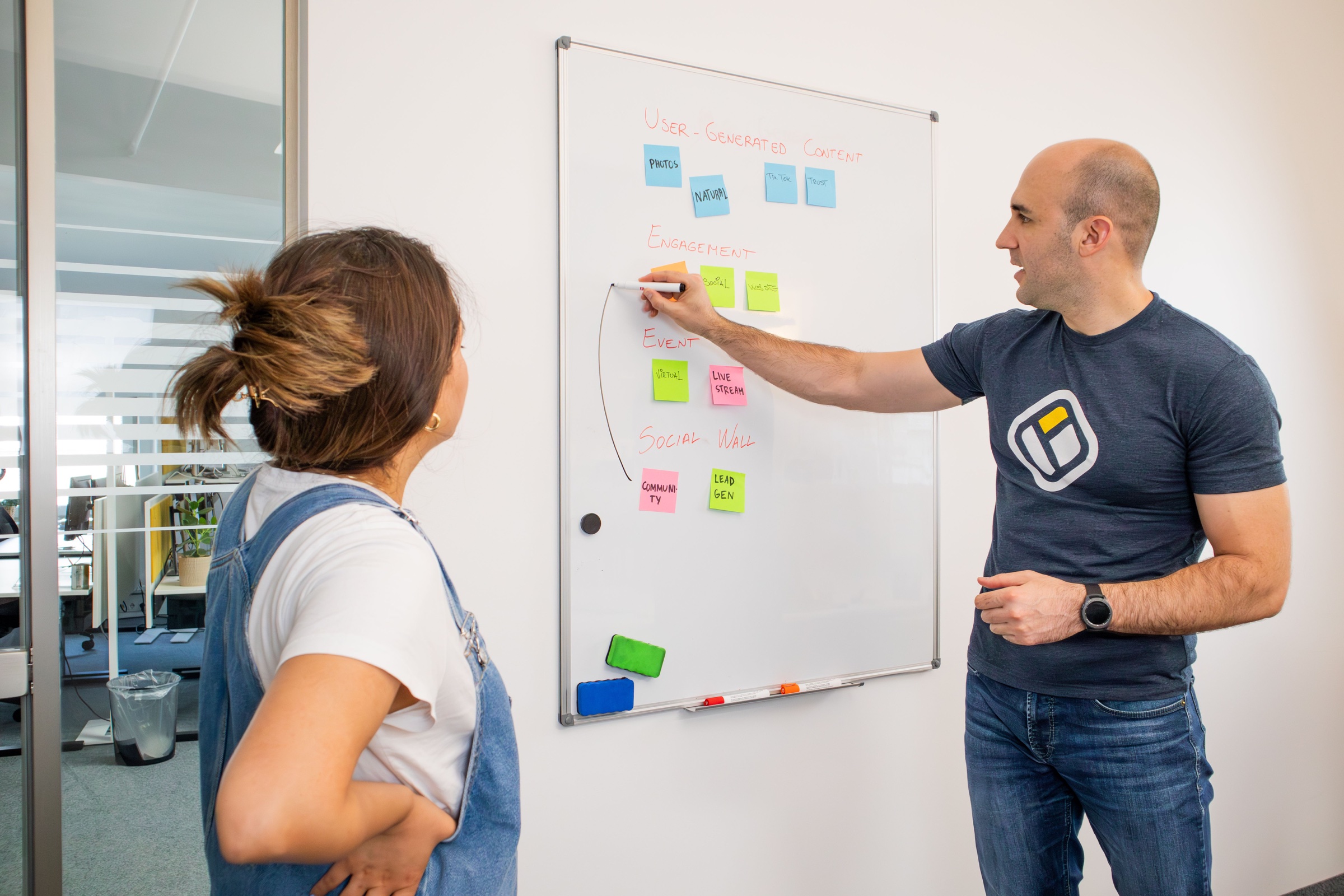
Two people mapping requirements and user journeys on a whiteboard

A new software idea

Define the product before expensive assumptions become code.

Clarify the business goal, users, essential journeys, information and first useful release. The result is a design direction your decision-makers can review before committing to a production build.

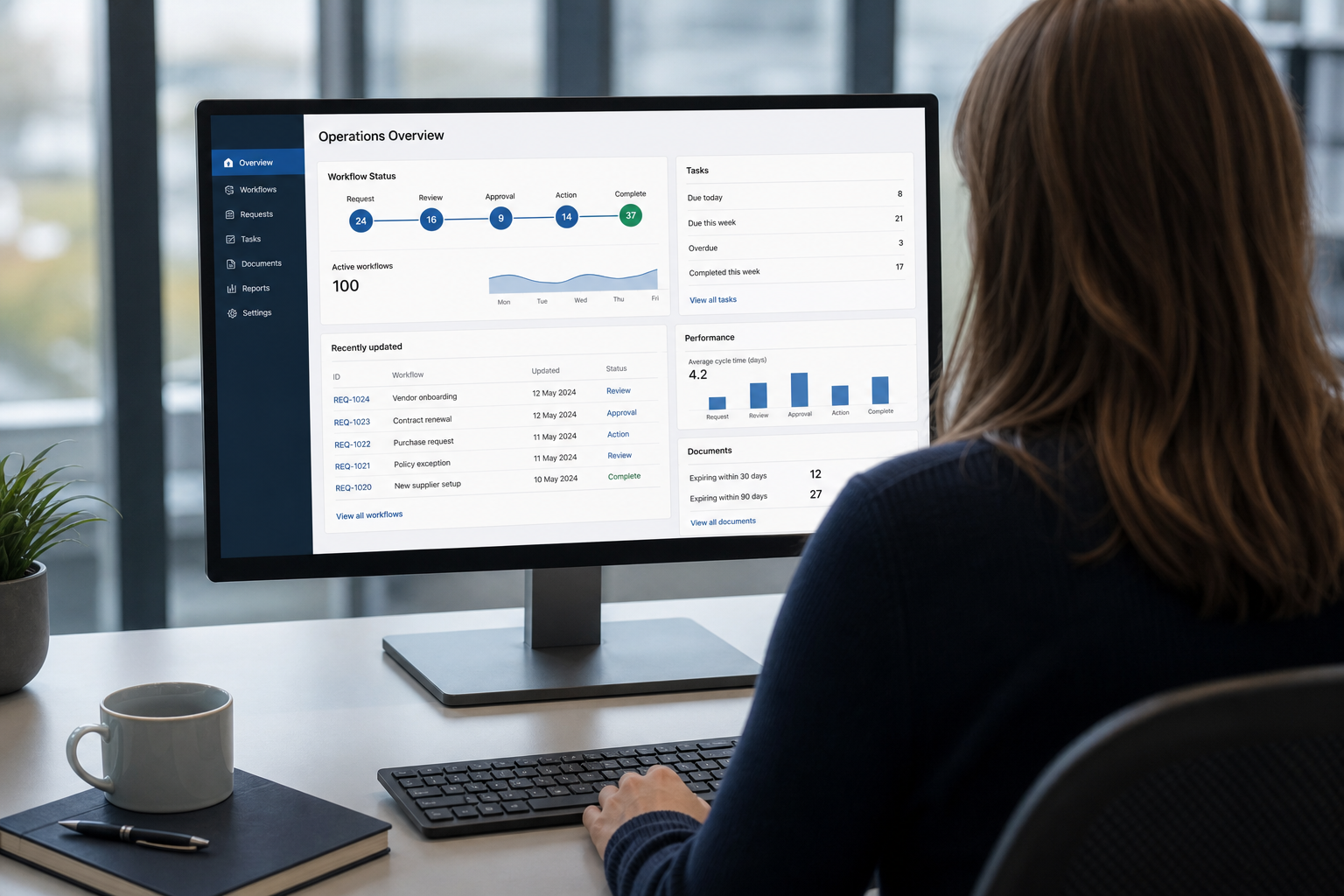
A woman reviewing an existing business application on a desktop monitor

An existing application

Redesign the difficult parts without losing what already works.

Review the current journeys, operational work, data and technical constraints. I identify where the experience is creating friction and shape a controlled improvement rather than assuming the whole application needs replacing.

Bespoke software design

Make the important decisions visible before development accelerates them.

Good software design connects what users see to the workflow, information and technical responsibilities behind it. The output is shaped around the business decision and delivery stage you actually need.

Business requirements

Turn the intended result, rules, constraints and acceptance criteria into decisions that can guide design and development.

User journeys and workflows

Map how customers, staff or partners should move through the software and what the business must do behind each screen.

Information and data structure

Define the records, relationships, documents and history the application needs to hold before screens hide weak assumptions.

Roles and permissions

Decide who can see, create, change, approve or administer information so responsibility remains clear as the system grows.

Interface design

Create realistic screens around the work users need to complete, with clear states, actions, validation and mobile behaviour.

Working prototypes

Make the proposed journey tangible so stakeholders can click through it, challenge assumptions and agree what should happen next.

Technical and integration design

Plan the application boundaries, existing systems, APIs, hosting and important delivery risks before they become costly surprises.

Phased production plan

Separate the first useful release from later possibilities, then turn the agreed design into a controlled route through development.

Design through delivery

From unclear idea to buildable software.

Each stage reduces uncertainty and gives the right people something specific to review. The route stays practical whether you need a design phase only or direct support through production development.

  1. 01

    Understand the goal

    Discuss what your business wants to create or improve, who will use it and which result will make the investment worthwhile.

  2. 02

    Shape the system

    Define the main workflows, users, information, permissions, integrations and boundaries that the software needs to support.

  3. 03

    Design and test the journey

    Create realistic screens or a limited working prototype where seeing the software will help people make better decisions.

  4. 04

    Specify and build

    Record the agreed requirements and delivery phases, then continue into a separately scoped production build when the direction is ready.

Two people discussing software requirements and user journeys on a whiteboard

Relevant software experience

Complex services turned into practical application journeys.

Examples of software I have helped shape and deliver around collaboration, secure customer access and regulated operational work.

Work directly with me

The person making the design decisions can also build the software.

I am a Business Software Consultant and Developer based in Greater Manchester. I work between the business and the technology, turning goals and operational detail into software decisions while remaining capable of delivering the application hands-on.

  • I connect the interface to the business process and data behind it.
  • The design remains useful even if another suitable team delivers it.
  • I can stay hands-on from the early decisions through production development.
17 yearsCommercial web and software experience
14 yearsHands-on Technical Director experience
DirectFrom the first conversation through delivery
More about me
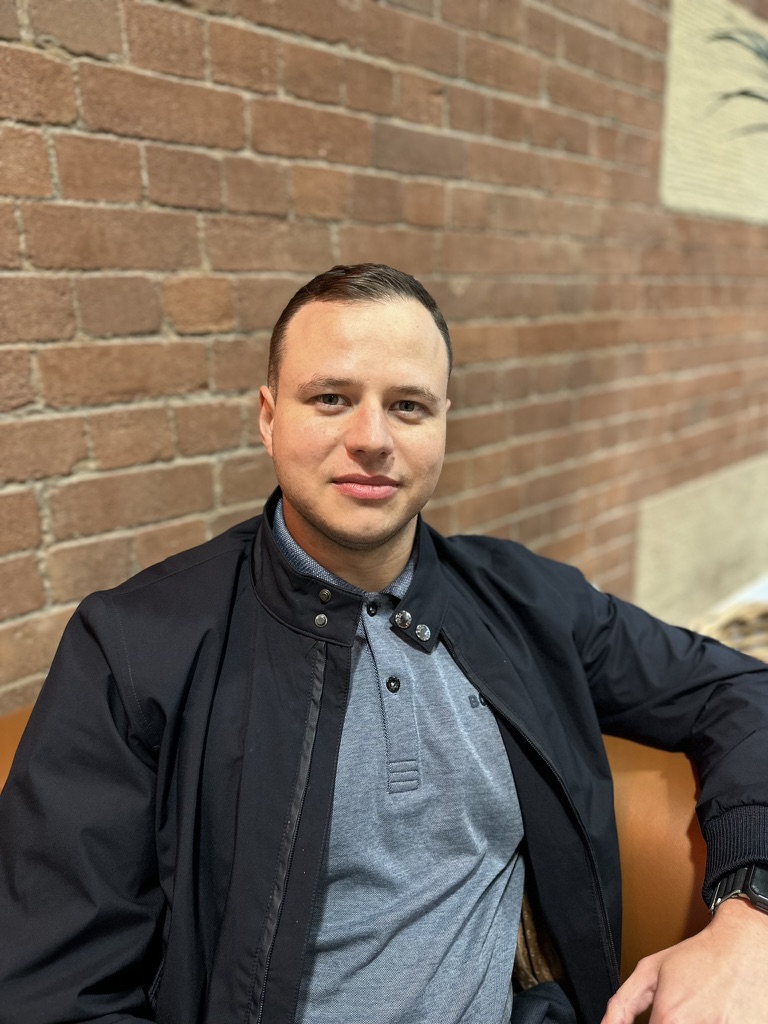
Danny Mills, Business Software Consultant and Developer

Start before the build quote

Bring me the software idea while the important decisions are still open.

Speak to Danny

Questions businesses usually ask.

What does custom software design include?

Software design covers more than how screens look. It can include the business requirements, user journeys, workflows, information, permissions, integrations, interface states, technical approach and the boundaries of the first useful release. The exact output depends on the decision your business needs to make.

What is the difference between software design and software development?

Design decides what the software needs to do, who it serves and how its journeys, information and rules should work. Development turns those agreed decisions into tested production software. I can deliver the design as a useful phase in its own right or continue into a separately scoped build.

Are you a bespoke software development company in Manchester?

DanJMills is my direct professional service rather than a large agency presentation. I am a Greater Manchester-based Business Software Consultant and Developer, and you work with me directly through the business decisions, software design and hands-on development. Suitable specialist support is made clear where an agreed project genuinely needs it.

Do we need a full specification before speaking to you?

No. This service is designed for businesses that have a meaningful goal or software idea but do not yet have safe requirements. Start with the problem, the intended users and what the business wants to achieve. I will help make the missing decisions visible.

Do you provide user experience and interface design?

Yes, where it is part of designing a working business application. I create interfaces around the tasks people need to complete, including useful states, validation, permissions and responsive behaviour. I do not separate an attractive screen from the workflow and data that must make it function.

Can you create a working software prototype?

Yes. A focused prototype can make one important journey realistic enough for stakeholders to test and challenge. Prototype work is deliberately limited and is not presented as production-ready software. Security, live data, integrations, scale and support belong to a separately scoped build.

Can another development team use the design and specification?

Yes. The requirements, journeys, decisions and agreed outputs should remain useful if your internal team or another suitable supplier delivers the production system. If I build it, the production phase is quoted separately so the design work does not force an automatic larger commitment.

Can you redesign an existing application?

Yes. I can review the current software, the work surrounding it and the parts users find difficult, then design a controlled improvement. Where the code, hosting or ownership is uncertain, an application assessment may be needed before promising development changes.

How much does software design and development cost?

Software discovery and specification normally ranges from £3,500 to £8,000. A working prototype normally ranges from £4,500 to £9,000. A focused first production phase normally falls between £15,000 and £40,000. The users, workflows, data, integrations and risk determine which first step is sensible.

How long does the design phase take?

A focused discovery or prototype phase normally takes one to three weeks. A first production phase typically takes six to twelve weeks once the requirements are clear. Larger applications are divided into separate phases so your business can review progress and control further investment.

Do you work on site in Manchester?

I am based in Greater Manchester and can arrange on-site discovery, workshop and review sessions across Manchester where meeting your team in person will improve the work. Most design and development can continue remotely, and I do not present a virtual address as a staffed city-centre office.

Can you support the software after launch?

Yes. Ongoing support can cover hosting, backups, monitoring, security updates, practical support and agreed improvements. I can also document and hand over the application cleanly if your organisation later chooses a different arrangement.